A data center’s commercial value depends on deliverable capacity, not just floor area. Before purchasing land or promising service dates, investors should connect the real estate, power, construction and customer workstreams. A delay in one can invalidate assumptions in all the others. This guide sets out the legal questions to resolve before committing capital.
Secure usable land rights
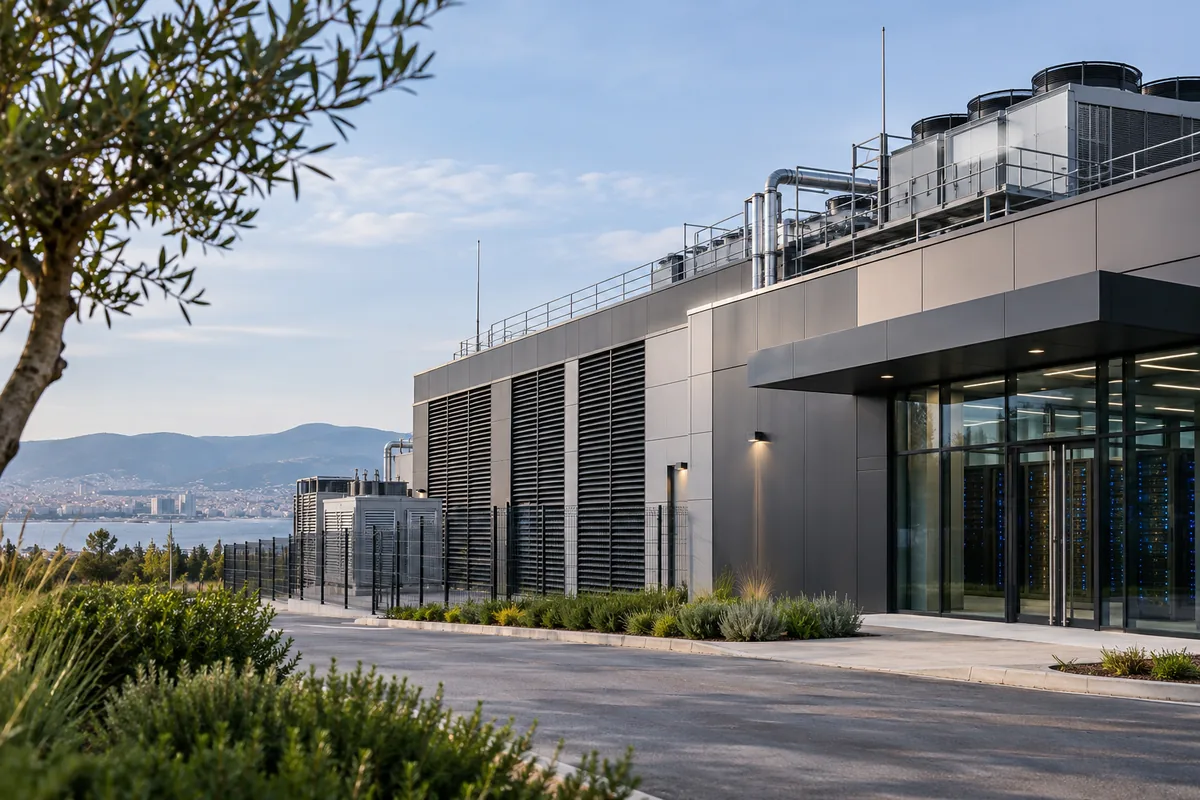
Verify title, encumbrances, permitted use, access and the ability to construct the intended facility. A warehouse permit should not be assumed to cover a data center’s actual configuration. Check expansion areas, cable routes and rights for ancillary equipment. If the site is leased, compare the lease term and renewal mechanics with customer contracts and financing assumptions; expensive fixed infrastructure needs durable rights.
Verify power before selling capacity
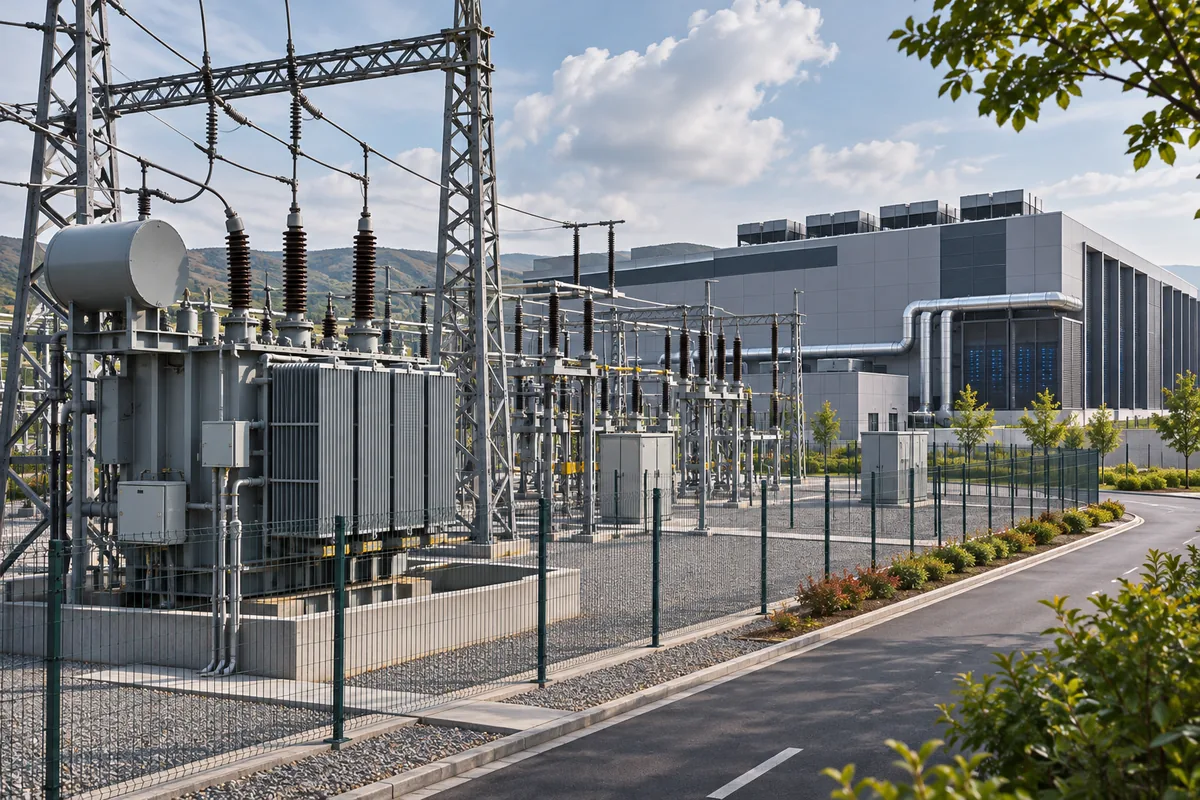
Obtain written evidence of connection arrangements, available capacity, reinforcement works and expected energisation. Distinguish a feasibility discussion from an enforceable commitment. Allocate the cost and timing risk of upstream works and examine backup generation requirements. A customer service level should reflect the engineered redundancy actually available. Require technical advisers to identify assumptions that still depend on utility or third-party action.

Coordinate permits and construction
Create an activity-specific permit map covering construction, operation, environmental matters and any sector rules triggered by the services offered. Track cooling, water, noise, fire protection and fuel storage within the design review. Put responsibility for design errors and permitting information into construction contracts. Completion should require defined tests and usable documentation, not simply delivery of the building shell.
Match customer promises to operational reality
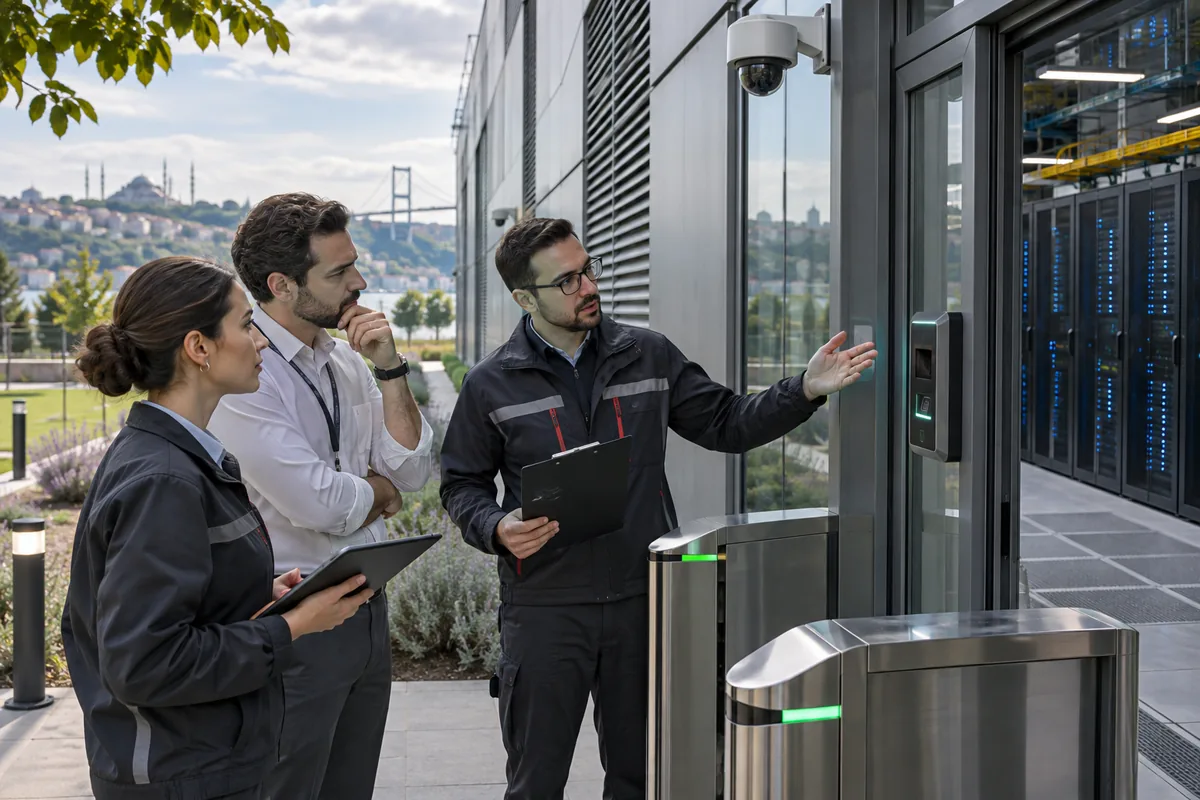
Review capacity reservations, commencement dates, power pass-through, service credits, liability caps and termination rights. Define planned maintenance and escalation procedures. Identify who owns installed equipment and what access or removal rights apply on default. Before accepting a large anchor customer, test whether its special security or audit requirements create costs that the operating budget has omitted.

Map data responsibilities and exit arrangements
Distinguish colocation from hosting or managed services: the operational role affects the data obligations to assess. Map remote support and overseas access rather than assuming local equipment means no cross-border processing. Review applicable Turkish data protection safeguards, subcontracting and incident responsibilities. Customer exit provisions should address migration assistance, equipment collection and secure deletion where relevant, with realistic time and cost allocations.
Investor checklist
- Title, use, access and expansion evidence.
- Connection commitments and energisation dependencies.
- Permit and commissioning responsibility matrix.
- Customer terms aligned with actual capacity.
- Data flows, incident duties and exit procedures.
For transaction-specific support, see our data protection services and commercial contract services.
Continue with: Investing in Turkish Gaming Studios: IP, Publisher Agreements and Investor Protection; Organized Industrial Zone, Free Zone or Ordinary Industrial Land: Where Should You Invest?.
Frequently asked questions
Is land ownership enough to start construction?
No. Confirm the applicable development and operational requirements.
Does a Turkish server location eliminate transfer questions?
No. Remote access and service arrangements may still require analysis.
Should power costs be fixed for every customer?
The commercial choice should reflect the actual supply arrangement and clearly allocate changes.