Location should follow the operating model. A factory serving the Turkish domestic market, an export-oriented operation and a research business may need different environments. Turkey’s Investment Office distinguishes organised industrial zones and free zones, among other specialised areas. Investors should compare the actual site and activity rather than select a location solely for an advertised tax benefit.
Start with customers and goods flows
Map imported inputs, domestic purchases, production and sales destinations. A free-zone structure needs customs and tax analysis of those flows; it is not simply ordinary domestic land with a different address. Compare administrative effort, inventory controls and delivery requirements. For an operation serving both domestic and export customers, model each route separately before estimating the net benefit of the location.
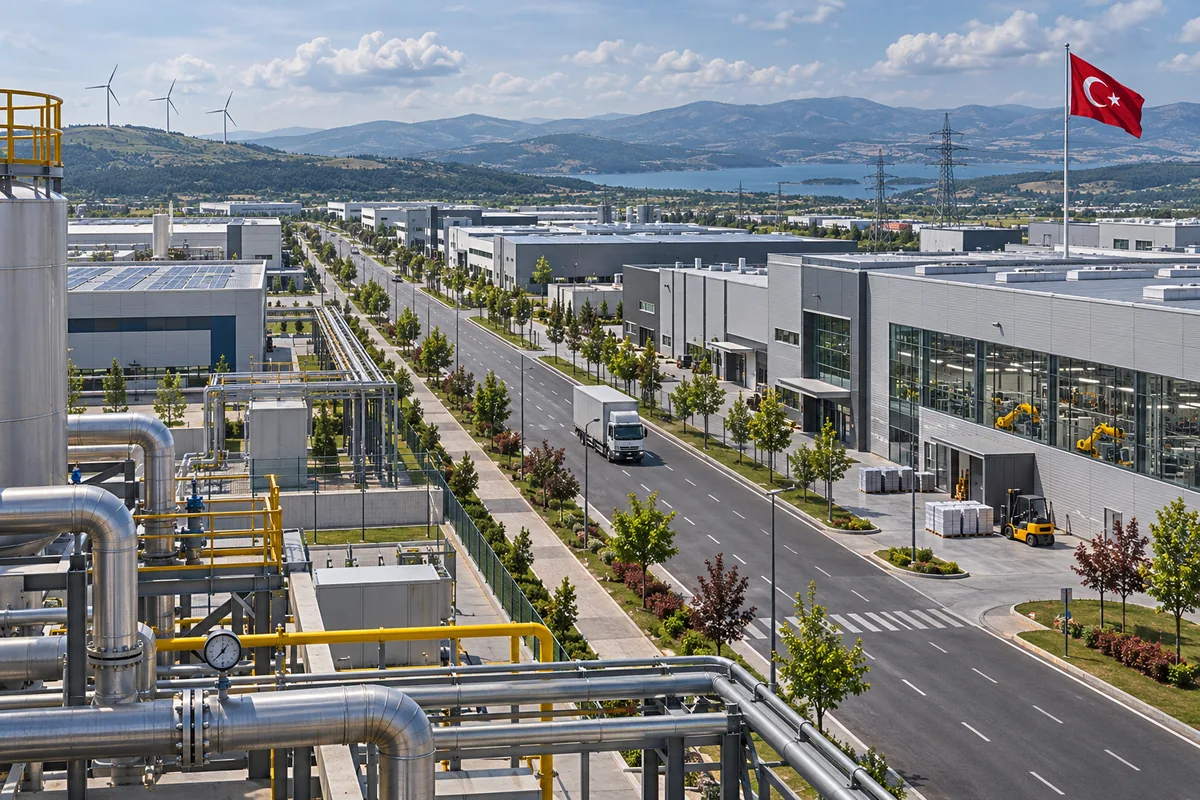
Test infrastructure rather than relying on a brochure
An organised industrial zone may offer shared infrastructure, but verify the specific plot’s power, water, gas, access and wastewater capacity. Obtain delivery dates and identify upgrade costs. Ask whether the proposed process is permitted and whether neighbours or shared systems create constraints. A serviced plot can still require significant project-specific works before production is possible.
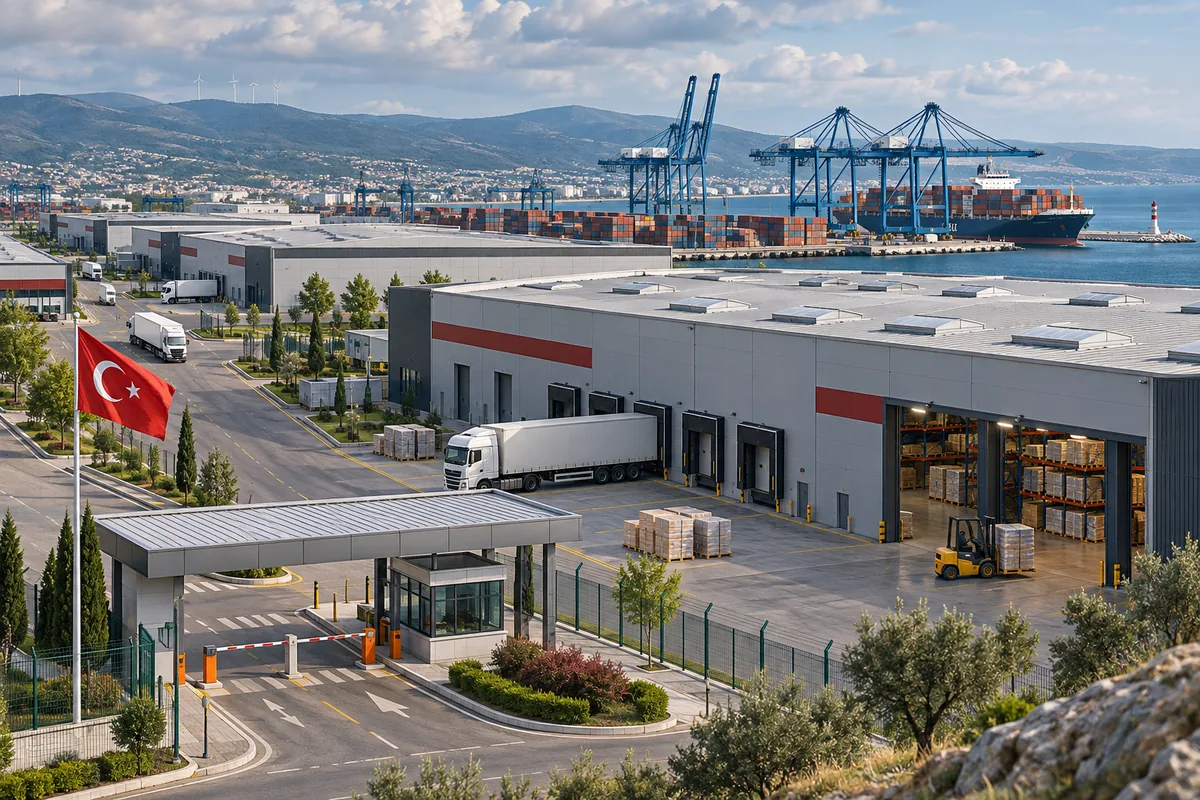
Understand the land instrument
Distinguish an allocation, ownership transfer, lease and conditional right to occupy. Review construction deadlines, activity restrictions, transfer permissions and consequences of non-use. The investor needs to know whether financing security and a future sale are possible under the actual instrument. Compare the land commitment with the company’s development timetable and avoid treating a preliminary allocation as unrestricted ownership.
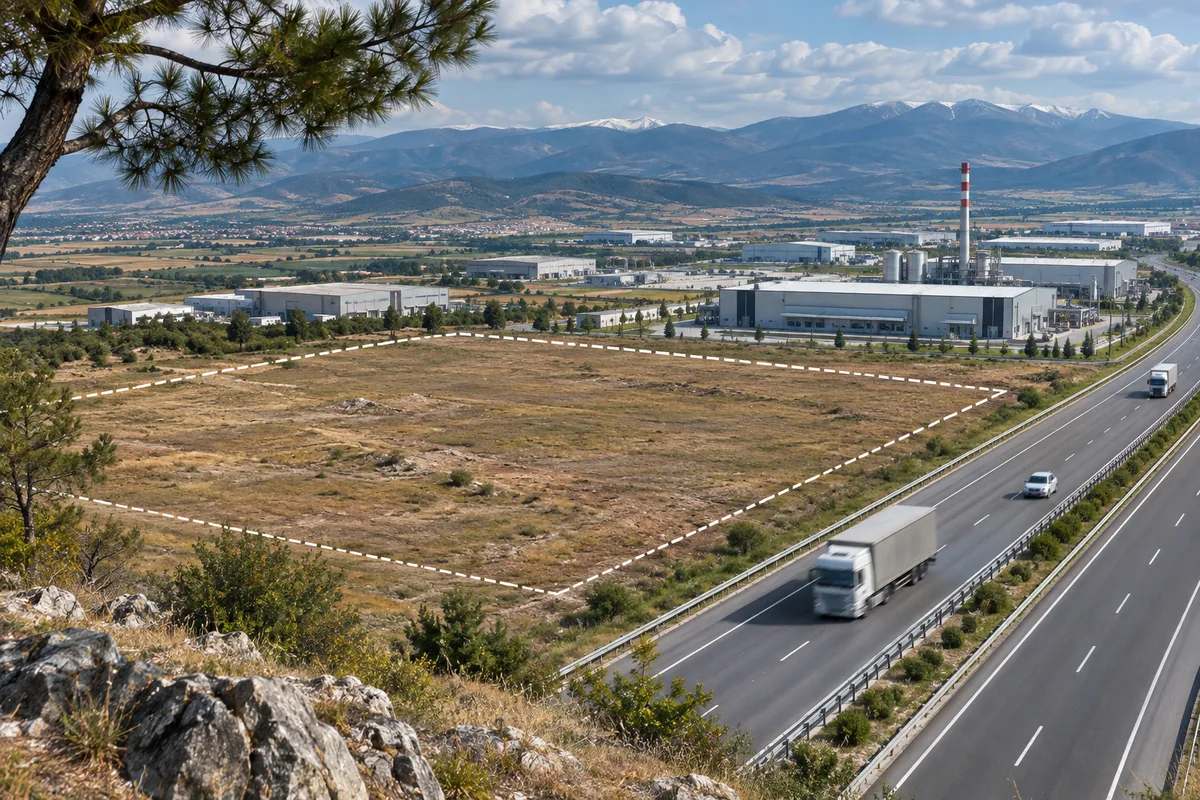
Verify benefits against the intended activity
Request a written analysis of the applicable incentive and tax treatment, including eligibility, duration, reporting and conditions. Promotional summaries can omit activity-specific limits and later amendments. Model compliance costs alongside benefits. Confirm whether a support element attaches to the location, the company or a particular investment certificate; that distinction matters when the project changes or the business is sold.
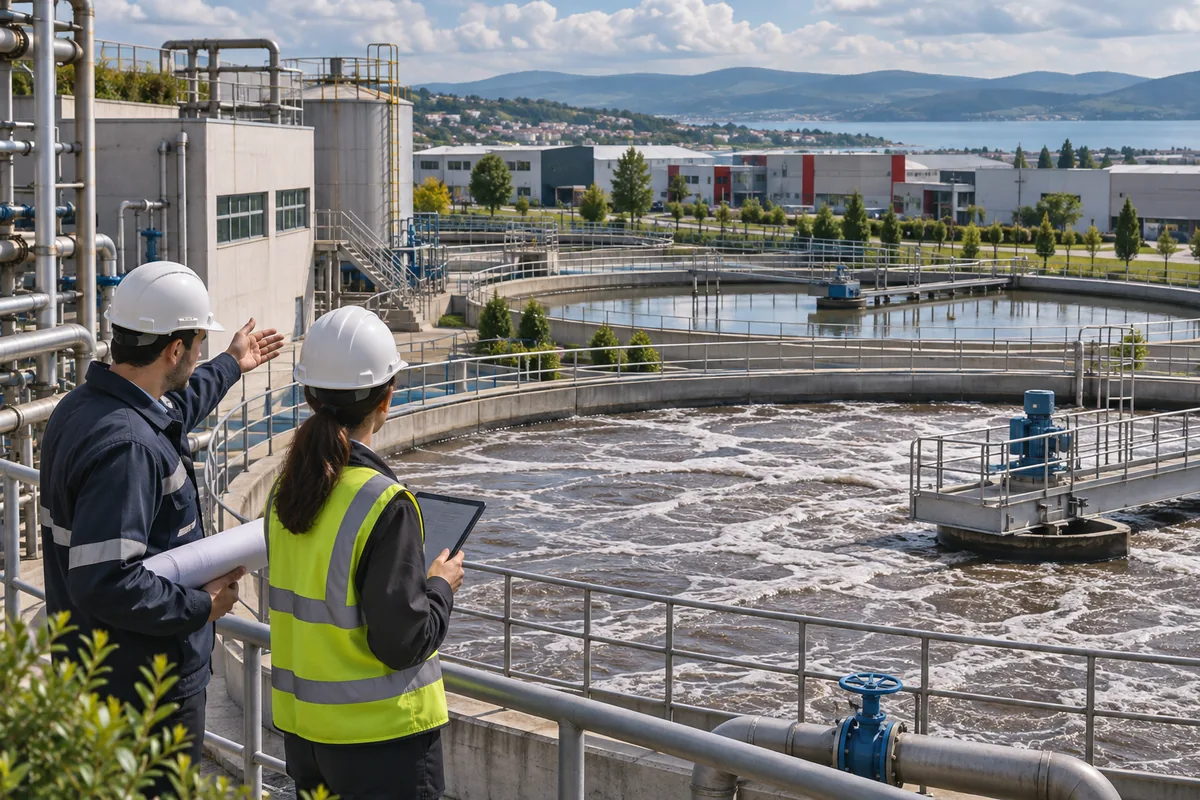
Compare the full lifecycle cost
Include land, infrastructure contributions, service charges, logistics, working capital and exit constraints. Ask how the site handles expansion, additional shifts and a change of product. Record approvals needed for a future buyer or tenant. A location with a lower initial price may be less attractive if it delays production or makes a later restructuring difficult. Use a common comparison sheet for all shortlisted sites.
Investor checklist
- Domestic and export goods-flow model.
- Plot-specific infrastructure evidence.
- Land instrument and development conditions.
- Activity-specific benefit analysis.
- Lifecycle costs and exit restrictions.
For transaction-specific support, see our investment legal advice and trade and customs services.
Continue with: Data Center Investment in Turkey: Land, Power, Permits and Customer Contracts; Battery Manufacturing Investment in Turkey: Incentives, Permits and Supply Agreements.
Frequently asked questions
Is a free zone always the cheapest option?
No. The answer depends on goods flows, activity, compliance costs and applicable benefits.
Does industrial zoning guarantee adequate utilities?
No. Confirm capacity and timing for the specific plot.
Can an allocated plot always be sold freely?
Review the allocation and applicable zone rules before assuming transferability.