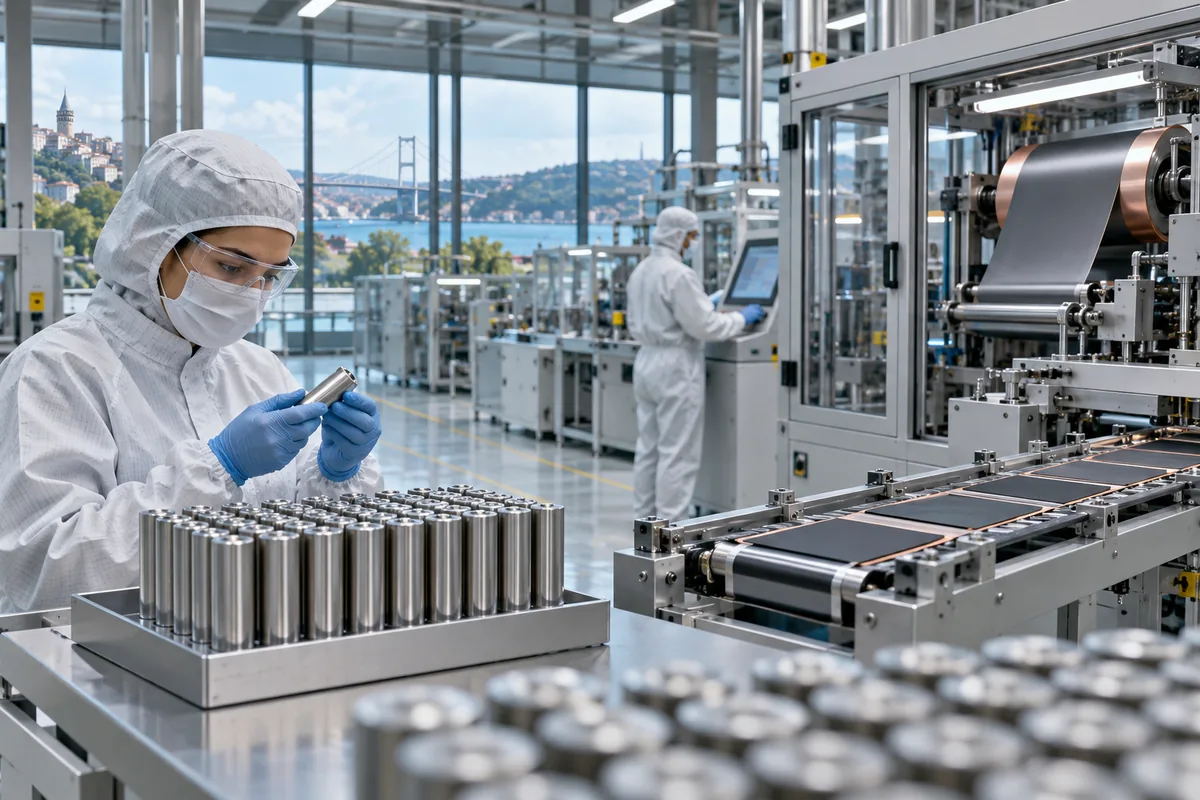
Battery manufacturing is not one uniform activity. Cell production, module assembly, pack integration and recycling have different site, technology and contractual requirements. An investor should define the exact process before comparing locations or modelling public support. The legal structure must support the technical process and the customers the facility is expected to serve.
Define the manufacturing scope
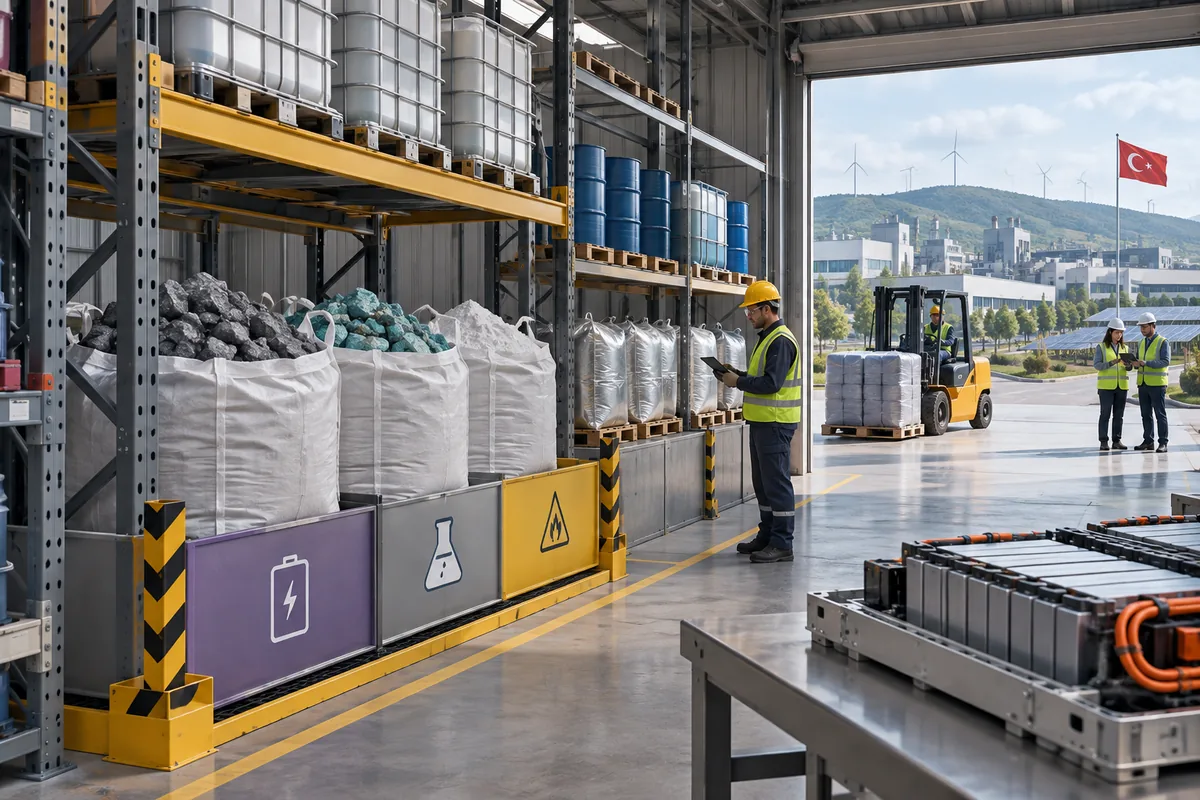
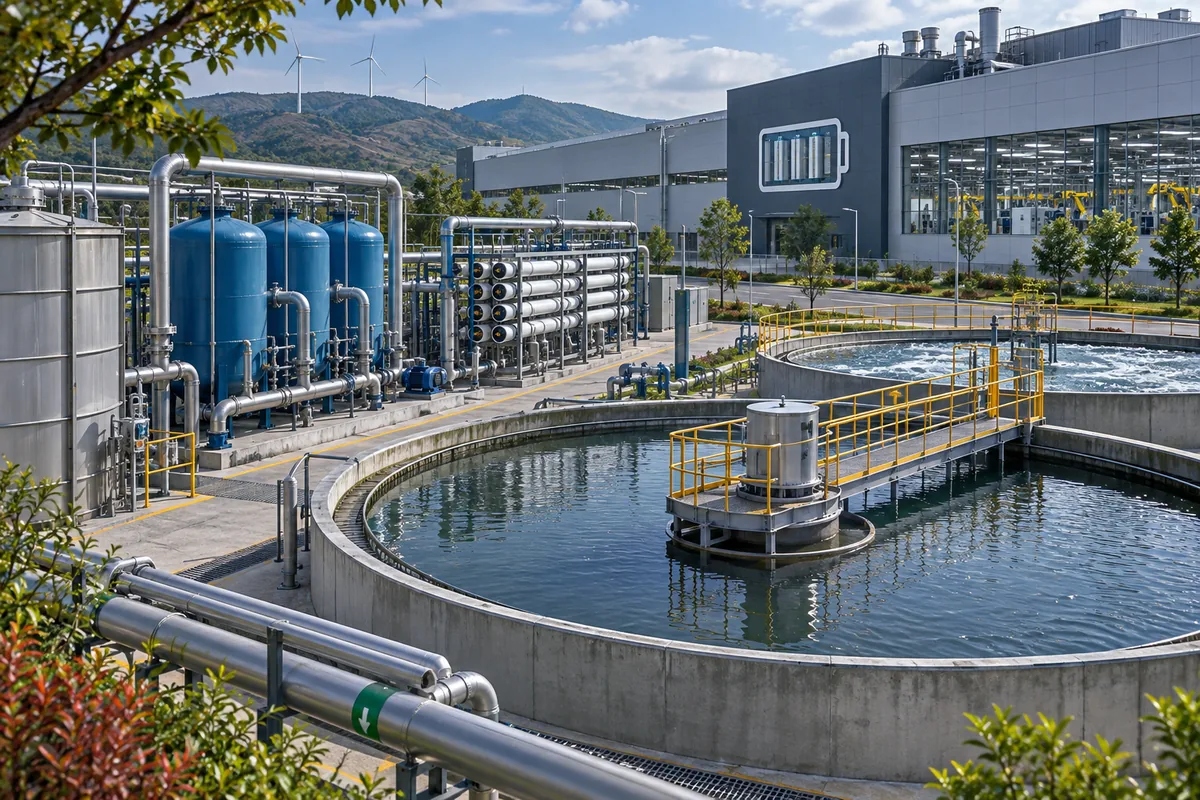
Prepare a process description covering inputs, chemicals, equipment, outputs, waste and planned capacity. Use it to assess site suitability and the required environmental and operating permissions. A general industrial designation is not a complete answer. Include storage, fire response, water treatment and expansion in the initial review; discovering those needs after purchasing land can materially change the project economics.
Treat incentives as conditional support
HIT-30 identifies high-technology investment support as a policy priority, but a project must establish its own eligibility and approved terms. Check the current application route, eligible expenditure and conditions before placing orders. Build separate models for approved support and potential support. Where financing also relies on an incentive certificate, ensure the bank and project team use the same assumptions about timing and compliance.
Secure inputs and technology rights
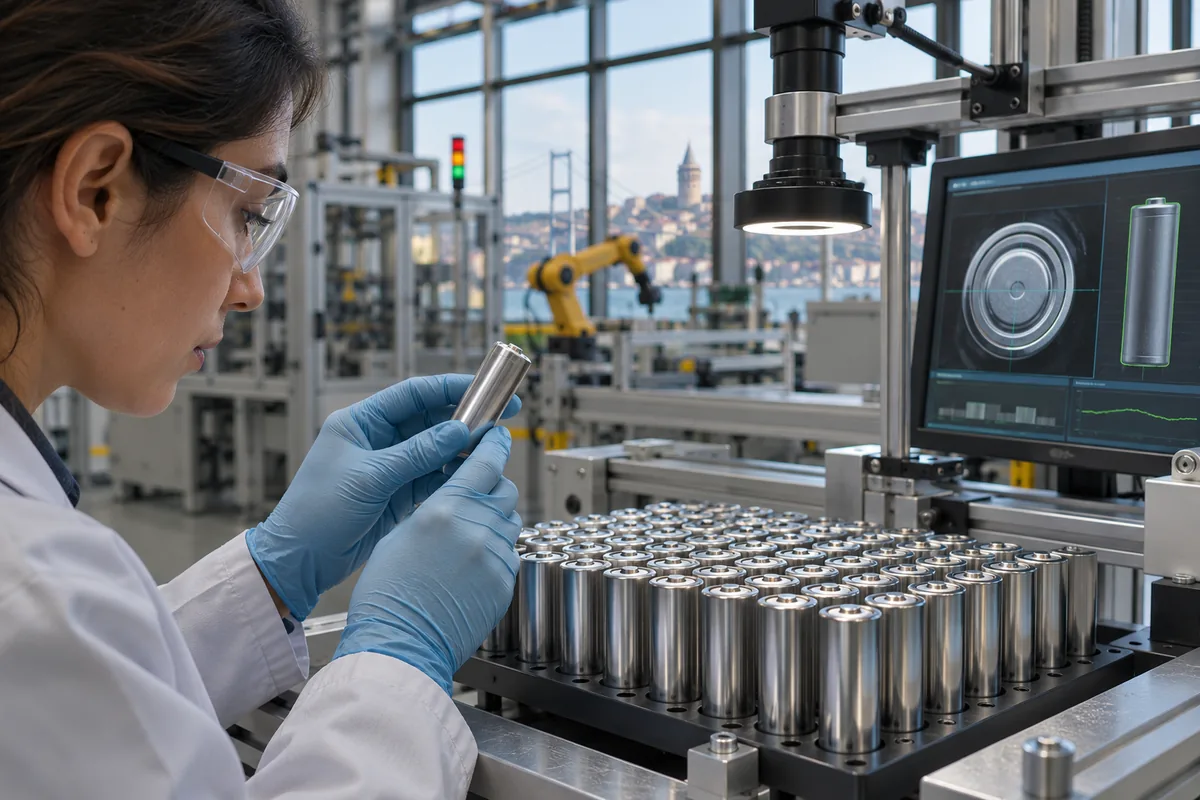
Review material specifications, supply continuity, price adjustment and qualification obligations. Identify whether the technology licence covers the planned chemistry, capacity and customer applications. Agree ownership and use of process improvements, and support during commissioning. A long-term supply contract should address rejected material, traceability and substitution; a simple volume promise does not resolve quality or production interruption risk.
Align customer qualification with the timetable
A completed line may still need customer testing before commercial sales. Put prototype acceptance, quality audits, change controls and warranty responsibilities into the sales arrangements. Distinguish forecast demand from binding purchases. If a customer requires changes to materials or design, specify who funds requalification and scrapped inventory. Reflect the period between physical completion and qualified sales in working capital planning.

Allocate lifecycle and product risk
Review safety testing, traceability, recall cooperation and responsibilities for waste or end-of-life handling relevant to the product and market. Insurance should be checked against the actual activity and contractual liabilities. Build a document trail connecting batches to inputs and customers. An investor should know who funds remediation if a defect is systemic rather than confined to a single unit.
Investor checklist
- Process-specific site and permit assessment.
- Documented incentive eligibility and conditions.
- Technology and qualified material supply rights.
- Customer qualification and working capital timetable.
- Traceability, recall and waste responsibilities.
For transaction-specific support, see our investment legal advice and commercial contract services.
Continue with: Korean–Turkish Industrial Joint Ventures: Legal Issues Before Signing; Semiconductor Investment in Turkey: Technology Transfers and Incentive Commitments.
Frequently asked questions
Are cell production and pack assembly legally identical?
No. Assess the actual process and its environmental, safety and contractual requirements.
Does a priority-sector label guarantee support?
No. Eligibility and approved conditions must be established for the project.
Does commissioning guarantee customer acceptance?
No. Customer qualification may be a separate contractual stage.