A semiconductor investment may involve design, packaging, testing or fabrication. Those activities require different capital commitments and rights. Before relying on a high-technology support programme, define what will actually happen in Turkey, which technology must be licensed and what evidence will demonstrate successful completion. The business plan and legal documents should describe the same project.
Specify the technical and commercial boundary
Identify the process, products, capacity and customers, including work outsourced to other facilities. Separate owned technology from licensed tools and third-party services. A design operation’s dependencies differ from a fabrication plant’s requirements for power, water and environmental controls. Use a technical scope approved by management as the baseline for incentive applications, land selection and equipment procurement.
Review the technology transfer package
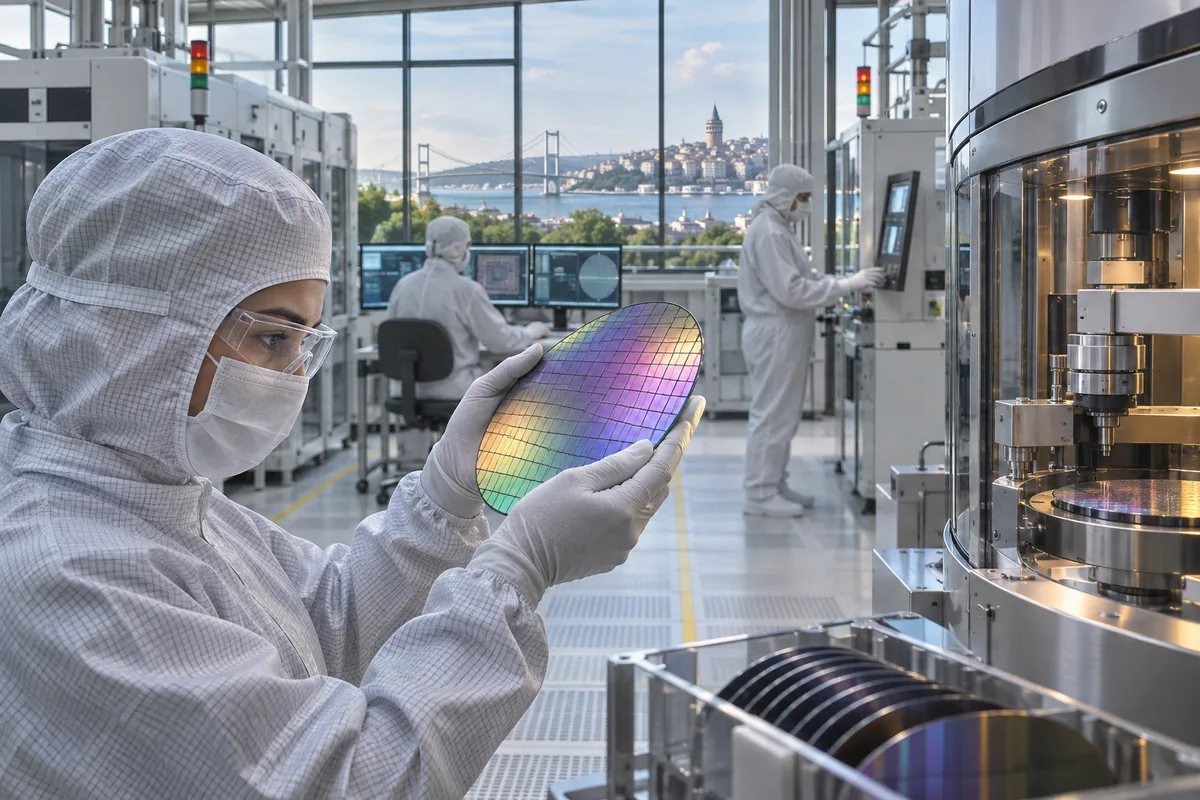
Define the licensed rights, permitted location, capacity, products and access to updates. Check restrictions on sublicensing, outsourcing and use after a change of control. Determine who owns improvements and whether the company can maintain production if technical support ends. Confidentiality protections should be practical for employees and contractors who must use the information. Do not treat equipment ownership as proof of a right to use all embedded technology.
Check cross-border restrictions early
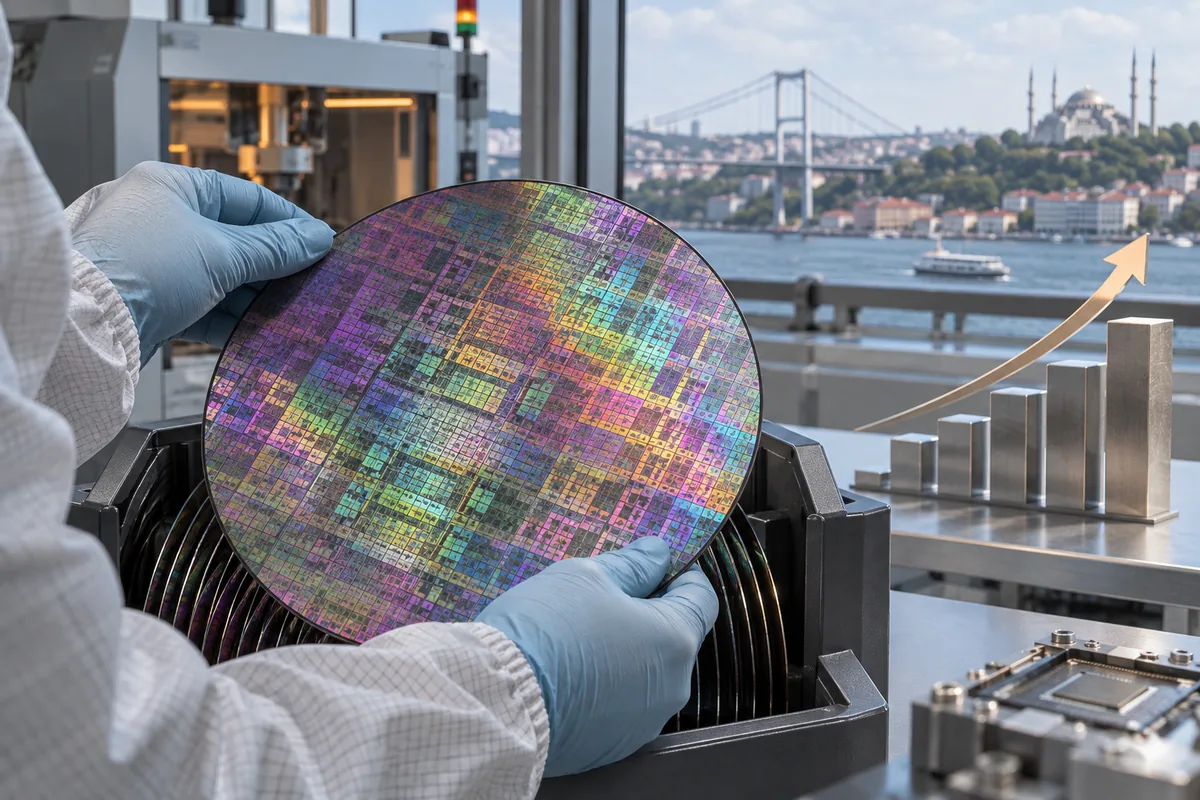
Ask suppliers and specialist advisers to identify export-control, end-use and re-export restrictions relevant to the actual equipment, software and technology. These questions can arise under the supplier’s jurisdiction as well as Turkish rules. Make necessary permissions a tracked dependency, with realistic lead times. A contractual delivery date does not remove a supplier’s legal restrictions, and an alternative source may require technical requalification.
Match incentives to measurable delivery
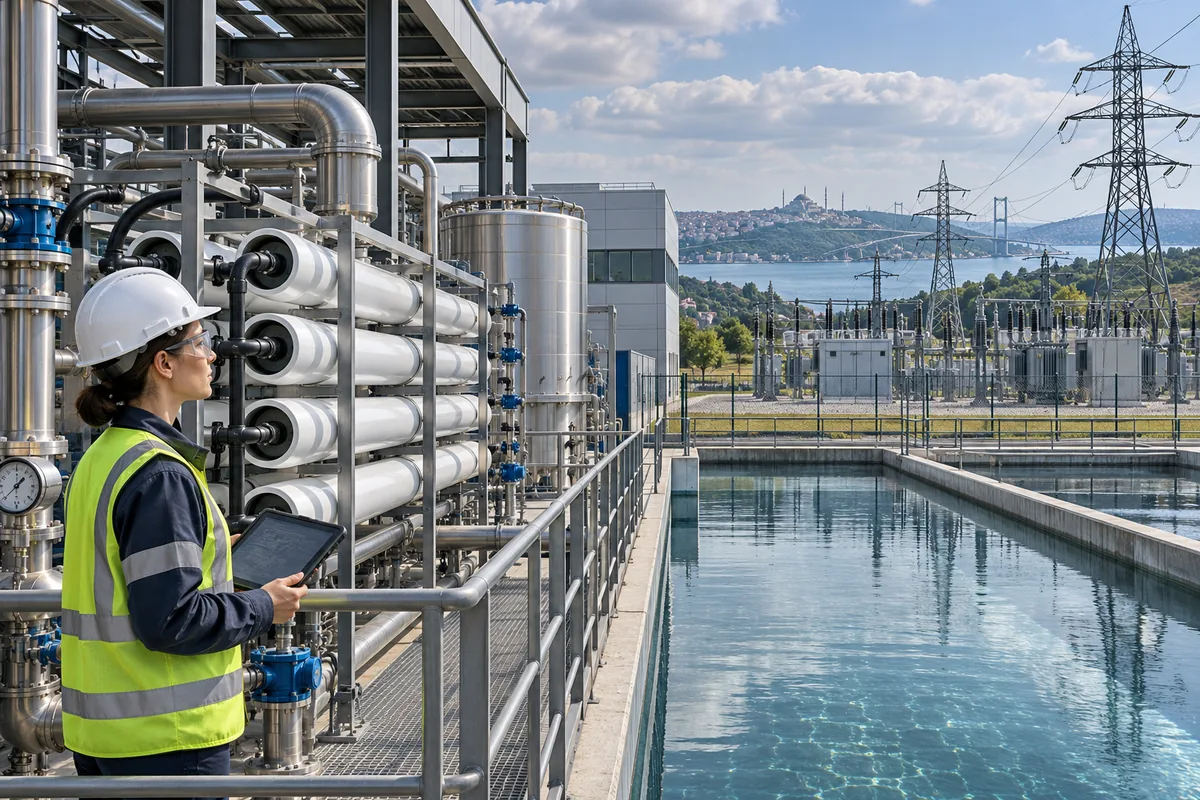
HIT-30 is a relevant official starting point for high-technology support, not an automatic award. Compare proposed commitments on investment, employment or production with the project’s realistic ramp-up. Maintain evidence for eligible expenditure and approved changes. If a revised process or equipment list becomes necessary, review the effect on support before implementing the change rather than assuming the original approval remains sufficient.
Define acceptance and the path to revenue
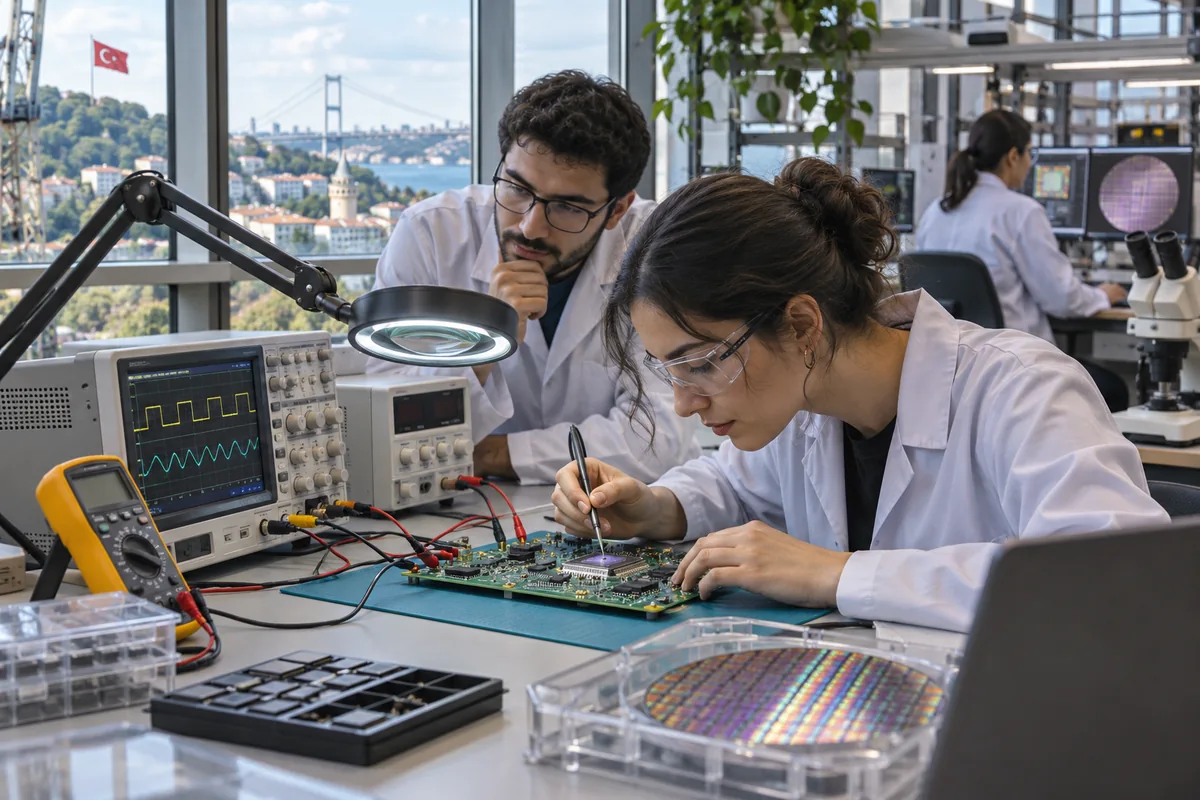
Equipment delivery, installation, technical acceptance and customer qualification should be separate milestones. Agree test methods, sample conditions and remedies when yield or quality targets are missed. Allocate the cost of rework and retesting. Funding documents should recognise the interval between physical completion and commercial output, including the possibility that working capital is required while the facility is still qualifying.
Investor checklist
- Agreed technical scope and dependency map.
- Complete technology and support rights.
- Supplier-jurisdiction restriction review.
- Achievable incentive commitments and evidence.
- Separate installation, acceptance and qualification milestones.
For transaction-specific support, see our intellectual property services and investment legal advice.
Continue with: Korean–Turkish Industrial Joint Ventures: Legal Issues Before Signing; Battery Manufacturing Investment in Turkey: Incentives, Permits and Supply Agreements.
Frequently asked questions
Does purchasing equipment include every technology right?
Not necessarily. Review software, know-how and licence terms separately.
Is all semiconductor investment the same activity?
No. Design, fabrication, packaging and testing have different requirements.
Can incentive commitments be based on optimistic output forecasts?
They should be tested against realistic qualification and ramp-up assumptions before acceptance.