A storage project should not be valued solely by its stated megawatts or megawatt-hours. Investors need to understand the regulatory category, the rights actually obtained and the commercial use of the system. A battery linked to generation, a standalone facility and a customer-side installation can raise different questions. Start with the actual project documents.
Identify the regulatory stage and permitted activity
Obtain the application, pre-licence or licence materials and all amendments. Determine what the project may do now and what remains conditional. Review direct and indirect ownership changes before designing the acquisition. Do not assume a preliminary development position is equivalent to an operating permission. Ask for a transaction-specific analysis of approvals, restrictions and notifications, supported by the current applicable rules.
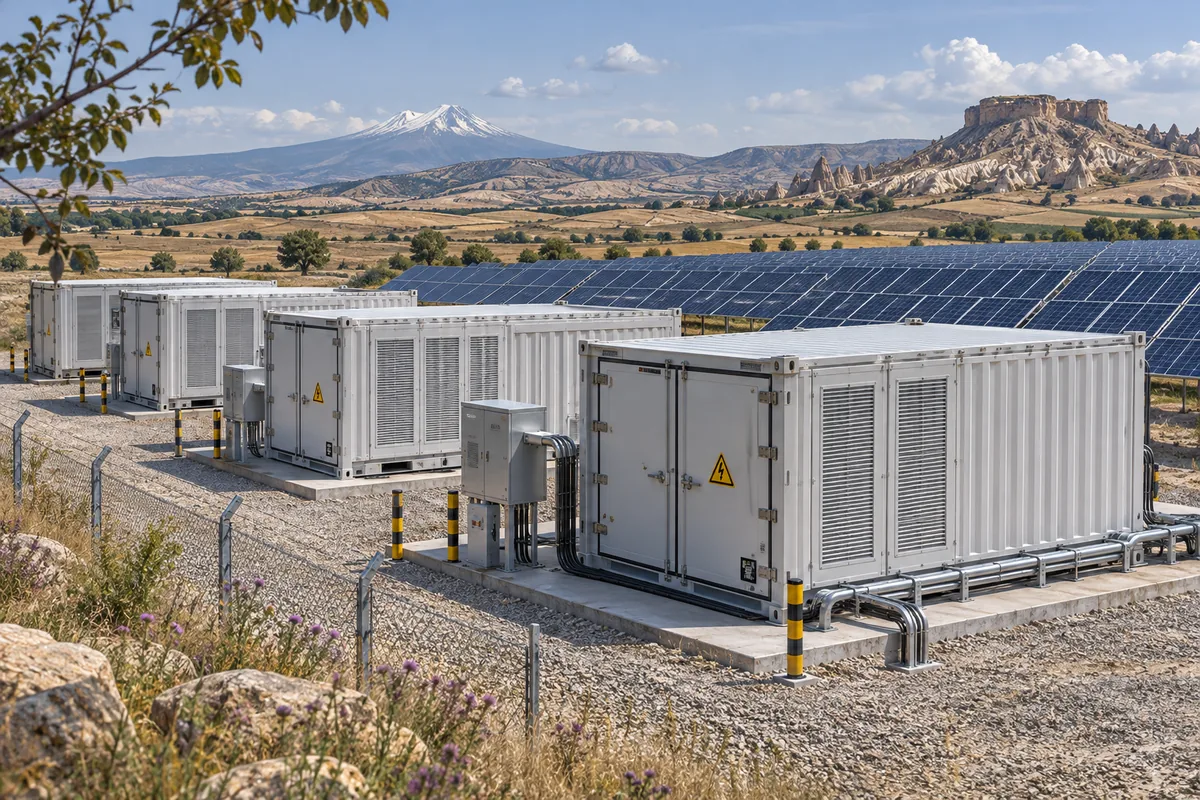
Verify the connection and revenue assumptions
Match the technical configuration to connection documentation and the intended charging and discharge arrangements. Establish which revenue streams are legally and technically available to this project. A market study is not evidence of a right to provide every service described in it. Identify metering, dispatch and settlement dependencies, and test whether the financial model assumes simultaneous services that cannot be delivered together.
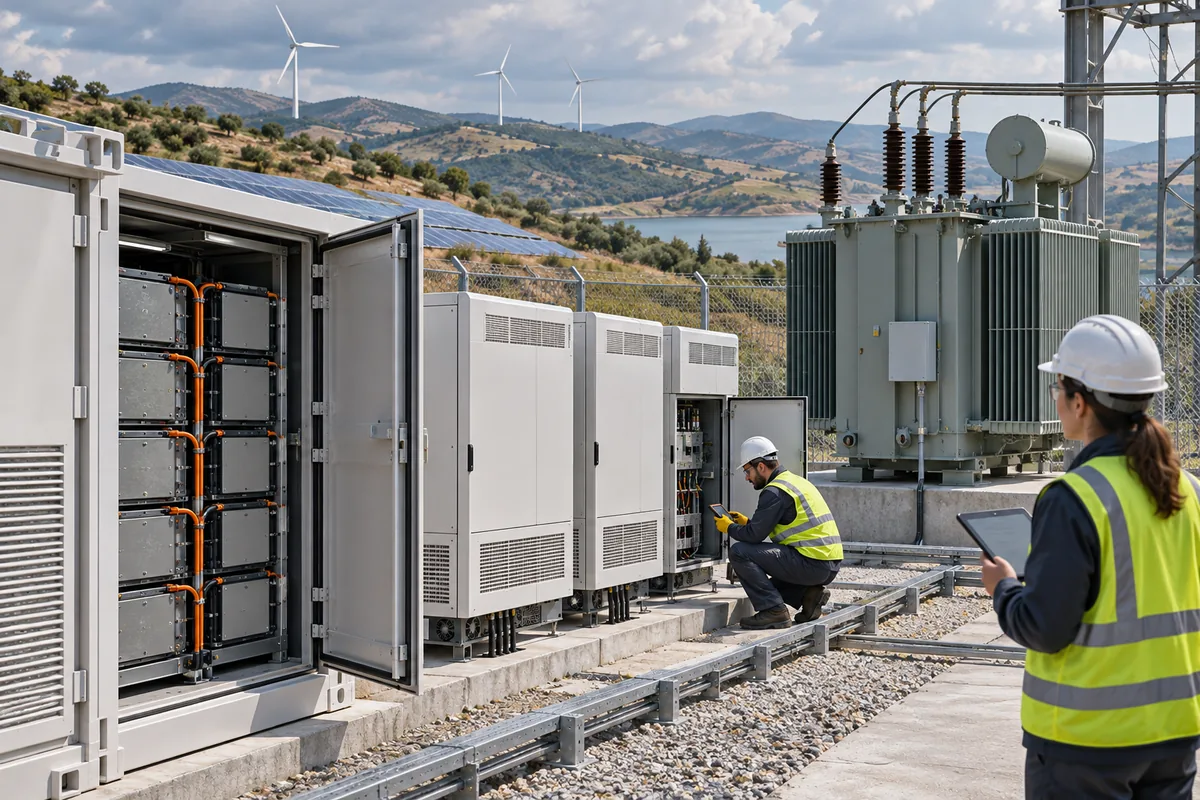
Read performance warranties against the duty cycle
Compare warranted capacity, availability and degradation with the intended operating pattern. Check temperature, cycling and maintenance exclusions. Identify who pays for augmentation, replacement and testing when capacity falls. A broad headline warranty may offer little protection if normal planned operation exceeds its conditions. Align the equipment contract, integrator obligations and operations agreement so responsibility does not fall into gaps.
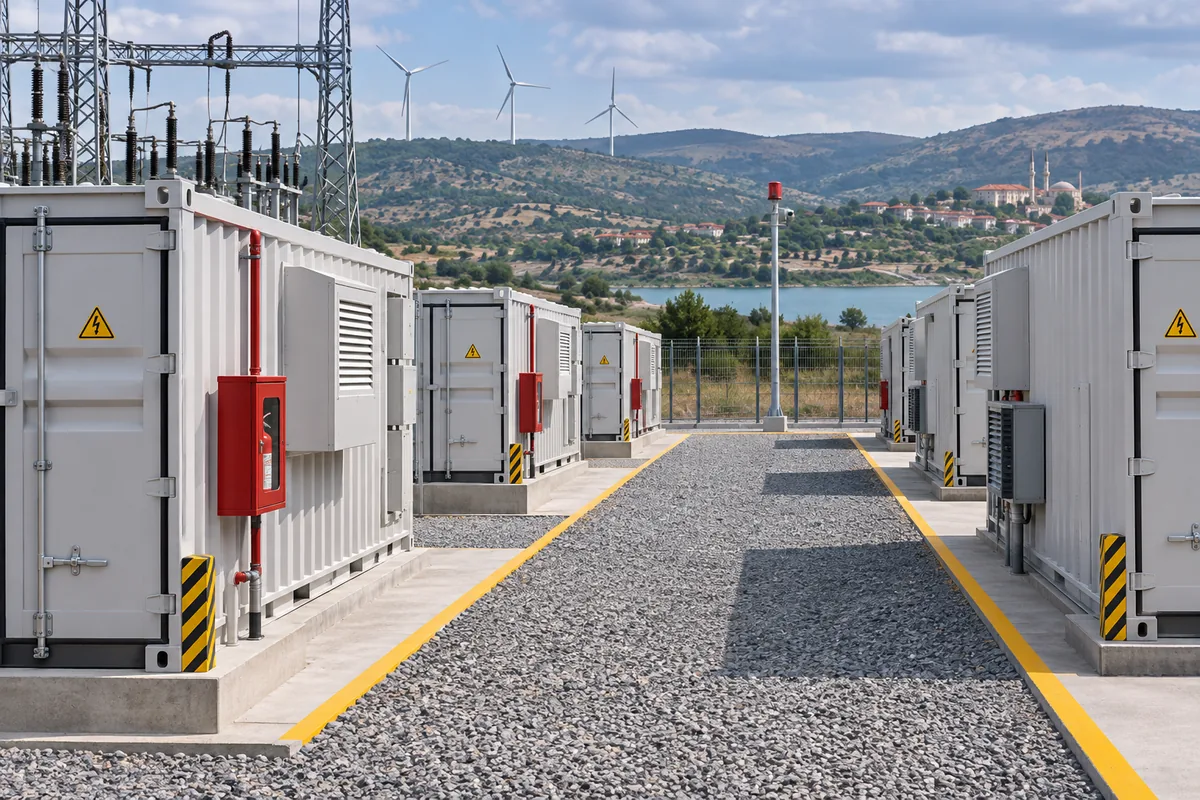
Assess safety and lifecycle obligations
Review site layout, fire strategy, emergency access, insurance and incident reporting with technical specialists. Check responsibilities for damaged batteries, transport, waste and end-of-life handling. Obtain evidence supporting the design assumptions and inspect the arrangements for remote monitoring. An investor should understand both the likelihood of a loss and the practical ability to isolate, repair and restart the facility after an event.

Use stage-specific acquisition conditions
For development projects, focus on permissions, site rights and achievable milestones. For operating assets, add performance history, warranty claims and maintenance evidence. Link deferred payments to objectively verified outcomes where appropriate, with a clear test procedure. Require handover of monitoring access and technical records. Avoid paying the full operating-asset price for rights that still depend on unresolved approvals.
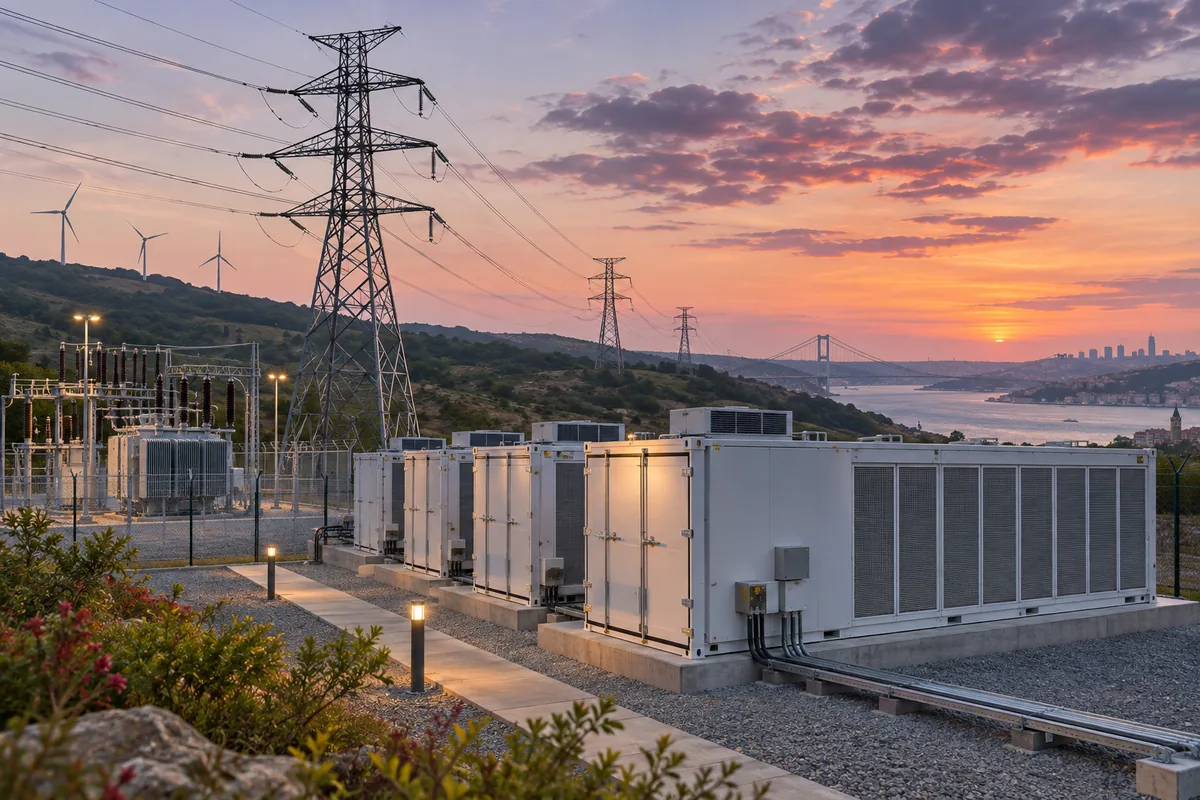
Investor checklist
- Regulatory category and current permission stage.
- Connection rights and supportable revenue streams.
- Duty cycle matched to performance warranties.
- Safety, insurance and lifecycle responsibilities.
- Stage-specific price and closing evidence.
For transaction-specific support, see our M&A transaction advisory and commercial contract services.
Continue with: Turkey’s November 2026 Renewable Energy Awards: What Foreign Investors Should Check Next; Buying a Solar or Wind Project in Turkey: A Legal Due Diligence Checklist.
Frequently asked questions
Are MW and MWh interchangeable?
No. Power and stored energy describe different technical characteristics, both relevant to value.
Does a preliminary permission guarantee operation?
No. Review the remaining project-specific requirements.
Can one warranty cover every operating pattern?
Check the contractual conditions; cycling and temperature limits may matter.