An energy acquisition should be organised around the project’s development stage. An operating plant, a construction-stage company and an early-stage project may be described using the same capacity figure but carry very different risks. Start by identifying the asset and transaction structure, then test whether each right and contract supports the business being purchased.
Define what is being acquired
Prepare an asset-and-rights map covering shares, equipment, land interests, permits, contracts and project data. In a share transaction, review historical liabilities inside the company; in an asset transaction, determine how each essential right can move to the buyer. Do not assume that a sale agreement transfers a regulatory permission. Ask whether any land or key contract is held by an affiliate rather than the target.
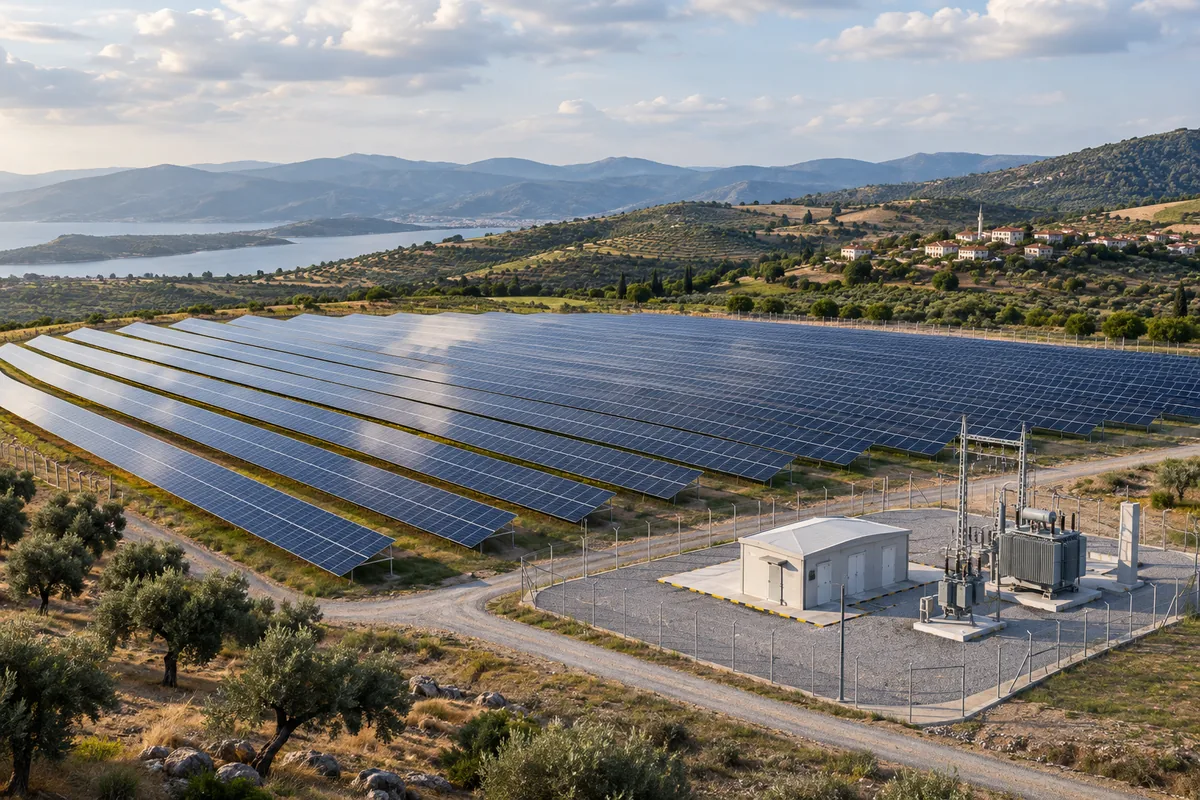
Reconcile the licence and the physical project
Compare the permission documents with the as-built or proposed plant: location, technology, capacity and connection point. Review amendments, outstanding authority correspondence and milestone deadlines. Establish whether the transaction changes control or ownership in a way requiring a regulatory step. The EPDK electronic process is an administrative channel, not evidence that every proposed transfer will be accepted. Keep the consent analysis separate from the commercial negotiation.

Examine land and connection dependencies
A valid lease over the main parcel may leave cable routes or maintenance access unresolved. Check cadastral boundaries, easements, lease duration, termination provisions and security affecting the site. Ask the grid specialist to identify connection works, responsible parties and outstanding costs. Record whether the plant’s operating assumptions depend on an upgrade controlled by another party. The acquisition timetable should allow verification rather than rely on a site visit alone.

Review performance and operating liabilities
For an operating plant, compare actual generation and outages with the model and ask why variances occurred. Review maintenance records, warranty claims, insurance, safety incidents and environmental correspondence. For a construction project, examine remaining work and acceptance tests. Align the technical defect list with legal remedies: a warranty has limited practical value if it expires before testing or is issued by an entity with no realistic ability to pay.
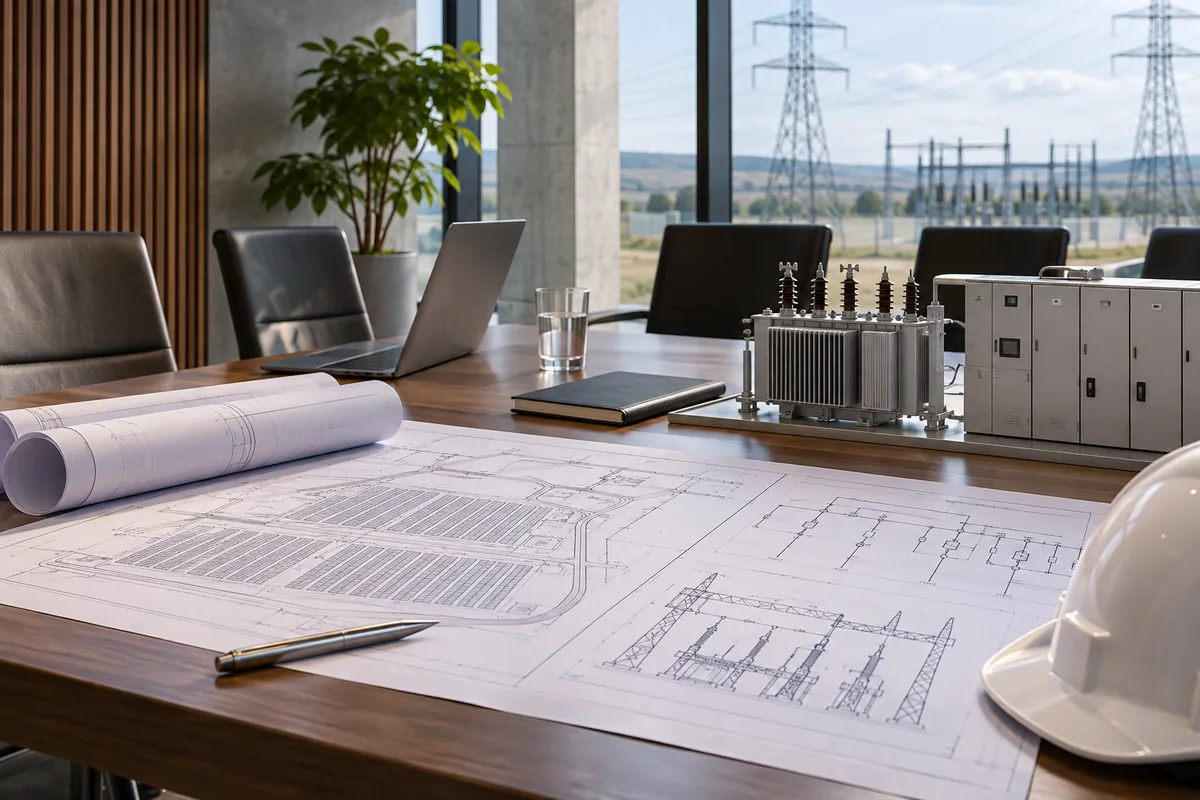
Design a usable signing-to-closing process
Create a responsibility matrix for consents, debt releases, document delivery and physical handover. Separate completion accounts from performance-related deferred payments so disputes do not overlap unnecessarily. Define what happens if a material condition remains unsatisfied at the long-stop date. After closing, retain a calendar for permit renewals, notice deadlines and warranty expiry. Due diligence should produce an operating handover, not only a list of exceptions.

Investor checklist
- Corporate records and seller authority.
- Project permissions and transfer analysis.
- Land rights, connection documents and unpaid works.
- Technical condition, insurance and operational claims.
- Conditions, security releases and handover responsibilities.
For transaction-specific support, see our M&A transaction advisory and commercial contract services.
Continue with: Turkey’s November 2026 Renewable Energy Awards: What Foreign Investors Should Check Next; Battery Storage Projects in Turkey: What Foreign Investors Must Verify Before Acquisition.
Frequently asked questions
Is capacity alone a reliable valuation basis?
No. Development status, enforceable rights, remaining costs and actual performance can materially change value.
Should legal and technical diligence be separate?
They need distinct expertise but a shared issues register and consistent assumptions.
Can every defect be covered by a warranty?
No. A defect that prevents lawful operation may need to be cured before closing.