The European Commission confirms that the CBAM definitive regime applies from 1 January 2026. Buyers of Turkish factories exporting covered goods should examine how emissions evidence and customer obligations affect future earnings. This is a transaction issue as well as a compliance issue: an apparently profitable export contract can require expensive data remediation or leave carbon-related costs unresolved.
Review the actual export portfolio
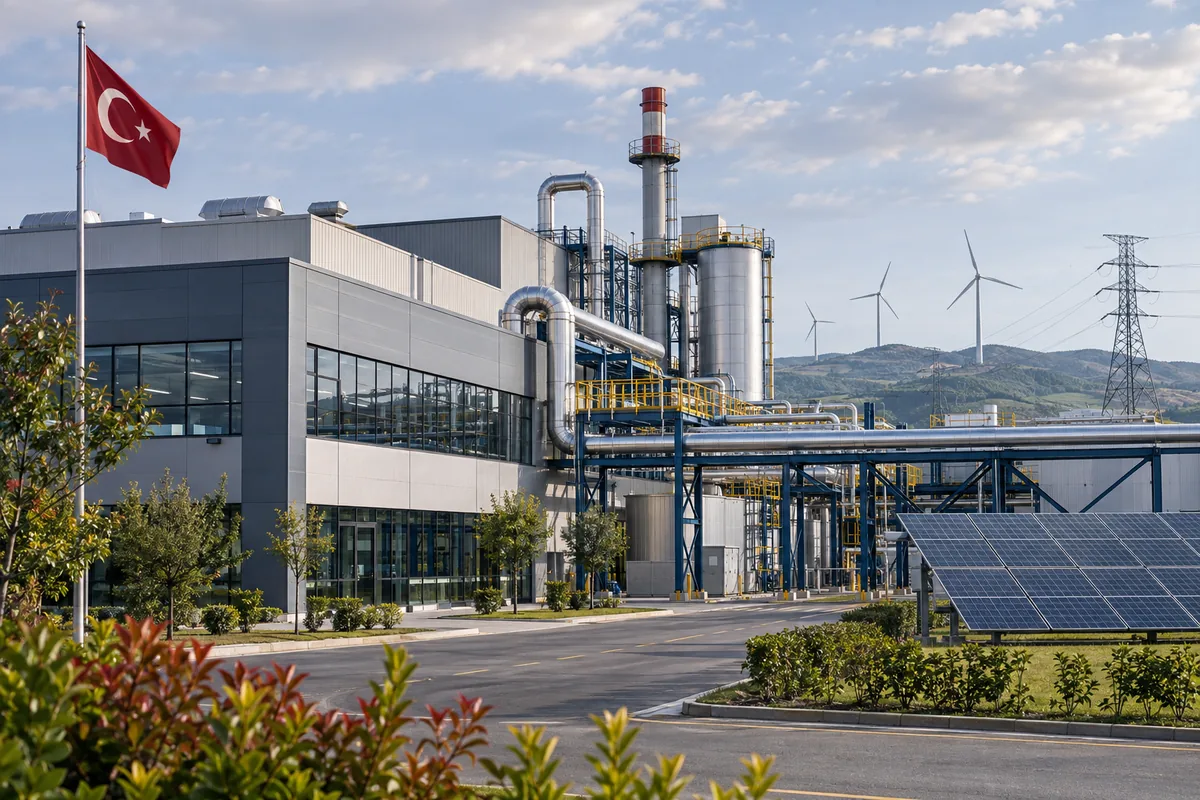
List products, customs classifications, destinations and customers. Identify which entity acts as importer or declarant and obtain the relevant customer correspondence. Avoid using the factory’s industry label as a substitute for product classification. A mixed production business may have covered and uncovered lines. Present the findings by revenue stream so the investment committee can see where compliance costs or customer renegotiations could affect value.
Trace emissions data to underlying records
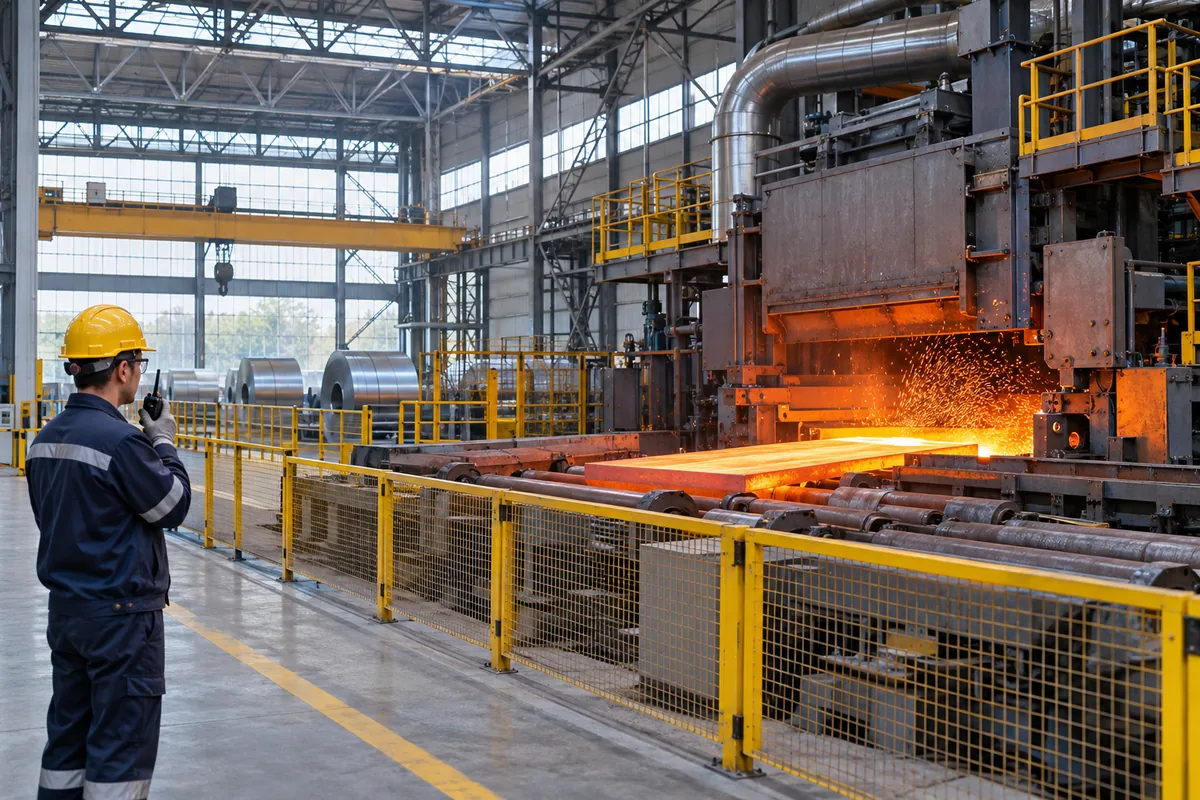
Ask for the methodology and supporting records used to answer EU customer requests. Check whether data can be linked to the relevant installation and production period, and whether external verification has been commissioned where required. Compare assumptions across sales, engineering and finance teams. If each team uses a different emissions figure, resolve the discrepancy before treating the customer relationship as fully compliant.
Read the supply contract alongside the rules
Determine whether the seller promised emissions data, a particular production standard, a price adjustment or reimbursement of customer costs. Examine audit rights, notice obligations and termination triggers. The buyer should know whether the customer can reopen pricing when its carbon cost changes. A statutory obligation resting with an EU importer can still create an economic burden for a Turkish supplier through the contract.
Price remediation and capital expenditure
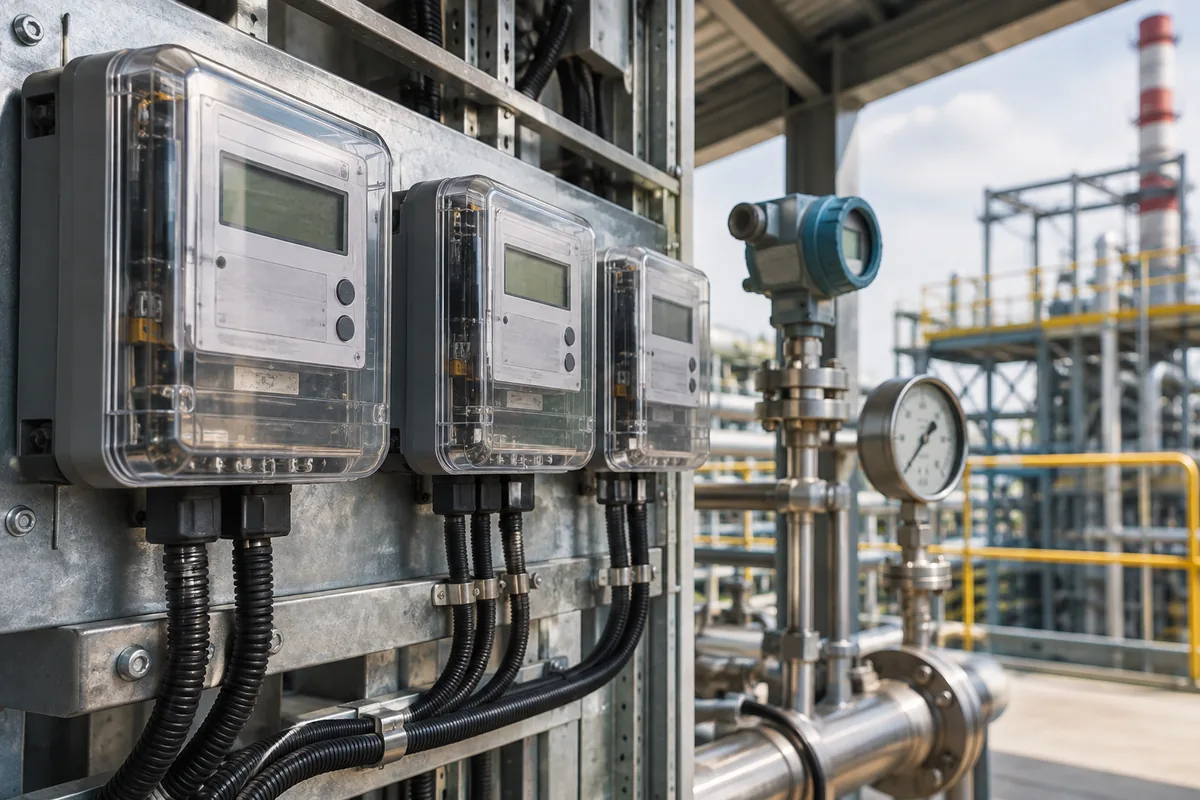
Separate immediate evidence gaps from longer-term emissions reduction investments. Metering upgrades, verification and data controls may be necessary even without changing the production process. A proposed furnace or energy upgrade needs its own feasibility review, permits and implementation schedule. Avoid counting the full projected saving from day one. Include downtime, transition costs and customer acceptance in the investment model.

Use specific acquisition protections
Request disclosure of customer claims, inaccurate submissions and unresolved data requests. Allocate known remediation to a budget and responsible party. Consider a targeted indemnity or price adjustment for identified issues, with clear evidence and claim procedures, instead of relying only on a broad environmental warranty. Preserve access to historical production records after closing, especially where the seller retains shared accounting or technical systems.

Investor checklist
- Products and customers mapped to the current CBAM framework.
- Documented emissions methodology and supporting records.
- Contractual allocation of information and carbon costs.
- Costed short-term remediation and longer-term upgrades.
- Post-closing access to historic evidence.
For transaction-specific support, see our M&A transaction advisory and trade and customs services.
Continue with: UK CBAM 2027: What Investors in Turkish Manufacturing Need to Prepare; COP31 and Green Investment in Turkey: Turning Announcements into Investable Projects.
Frequently asked questions
Did the definitive regime begin in 2026?
Yes. The Commission identifies 1 January 2026 as the start.
Does Turkish origin alone decide whether a product is covered?
No. Review the applicable product scope, import route and current rules.
Should all carbon risk be assigned to the seller?
Distinguish historic breaches from future operating choices and changes in law; the allocation should follow the identified risk.